Brentwood · Oakley · Antioch
Stucco Water Damage Repair in Brentwood, CA
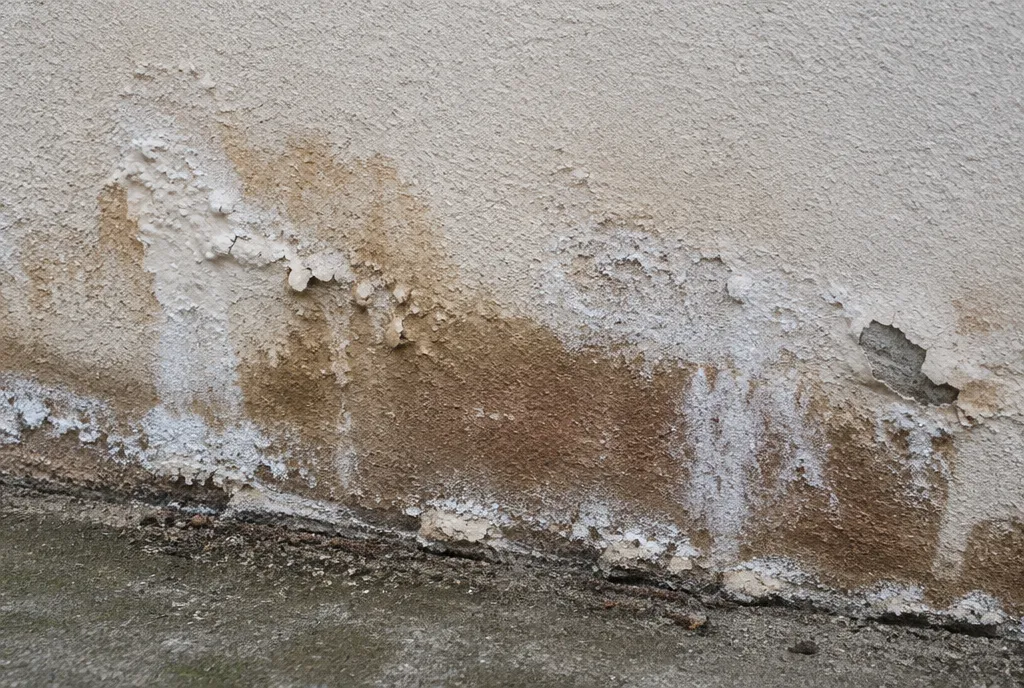
Brown stains, bubbling paint, soft spots or a white powder on a stucco wall usually mean water is getting in, not just that the wall looks tired. Here is what the signs mean, why surface patches do not fix a leak and how to get the wall assessed. We explain and refer; we do not diagnose your wall.
Active leak inside the house? Move belongings away from the wet area, photograph the damage and report it to your insurer if you plan to claim. The California Department of Insurance advises taking reasonable steps to prevent further damage and keeping receipts (CDI).
Signs that water is getting into stucco
- Bubbling, blistering or peeling paint and finish. Sto lists these among the indicators of water intrusion (Sto).
- White deposits (efflorescence). Also on Sto's list of water signs.
- Brown or dark staining, especially below windows, at roof lines and near the ground.
- Soft, crumbling or hollow-sounding areas. InterNACHI describes tapping with a wooden mallet to find hollow spots where the stucco has lost its bond (InterNACHI).
- Stains, musty smells or peeling paint on the interior wall that lines up with an exterior problem area.
Where the water usually comes from
InterNACHI says most stucco deterioration is the result of water infiltration into the structure, either through the roof, around chimneys, window and door openings, or from excessive ground water. It also points to horizontal surfaces such as the tops of parapet walls and chimneys as especially vulnerable (InterNACHI). In practice that means the first suspects are usually the places where something else meets the wall: windows, doors, rooflines, deck attachments, pipes and fixtures, and the bottom of the wall near soil, planters or sprinklers.
Why a surface patch does not fix a leak
A stucco wall is built in layers over lath (a typical traditional wall is shown in the illustration). When water gets behind the visible surface and keeps getting in, patching the stain leaves the source in place. Repairs that last start with finding the entry point, then restoring whatever is damaged behind the surface, then refinishing. Ask the contractor to explain what they expect to find behind the damaged area.
What an assessment involves
A contractor will typically look at the wall and the details around it, tap to find hollow areas and may open a small test area to see the layers behind. How far the damage goes decides the scope: some repairs stay in the surface layers, others reach the paper, the metal lath or the framing behind. Ask the contractor to explain what they found and to put the scope in writing.
Who fixes what
- Stucco contractor: the stucco layers and the repair behind them.
- Roofer: a roof or flashing leak that is sending water down the wall.
- Window or door installer: a failed window or door seal or flashing.
- Plumber or landscaper: a leaking pipe or sprinklers soaking the base of the wall.
A good stucco contractor will say when the source belongs to another trade, and it is worth asking them directly.
What water damage repair costs
Angi lists water damage repair at $1,000–$3,000 (Angi). HomeGuide lists $1,000–$4,000 for water damage and $60–$120 per square foot for extensive repairs and water damage (HomeGuide). The final price depends on how deep the damage goes. See the full cost guide.
Insurance and permits
Whether insurance helps depends on your policy and what caused the damage; see our permits and insurance guide. Repairs that go behind the stucco can also raise permit questions, covered in the same guide.
Stucco water damage questions
How do I know if my stucco has water damage?
Sto's repair guide lists blistering, bubbling, white mineral deposits (efflorescence) and peeling finishes as signs of water getting in. InterNACHI adds that tapping the wall with a wooden mallet and listening for hollow sounds can show where stucco has lost its bond. Interior stains below a window or along a wall are worth connecting back to the exterior.
How much does stucco water damage repair cost?
Angi lists water damage repair at $1,000–$3,000 and HomeGuide at $1,000–$4,000. HomeGuide puts extensive repairs and water damage at $60–$120 per square foot. Costs climb quickly when the damage reaches layers behind the stucco, so the contractor's quote after opening the area is the real number.
Is stucco water damage covered by homeowners insurance?
It depends on your policy and the cause. The California Department of Insurance lists sudden and accidental water damage as typically covered and water damage from seepage or leaks, mold, and wear and tear or maintenance as typically excluded. Read your policy and ask your insurer before work starts. Our permits-and-insurance guide has the details.
Can I just patch the stain and repaint?
Not if water is still getting in. A patch or paint covers the surface but does not stop the leak, and InterNACHI notes that most stucco deterioration comes from water infiltration. The usual order is to find and fix the entry point first, then repair the stucco.
Stucco repair across East Contra Costa
Requests come from homeowners in Brentwood, 94513, and nearby along Highway 4. Brentwood here means the East Contra Costa city, not the Los Angeles neighborhood.
Request a stucco water damage quote
Tell us what's happening with your stucco. We pass your request to an independent local stucco contractor serving East Contra Costa, who contacts you to look at the wall and quote. There's no cost to send a request.
- Takes about a minute
- No obligation to hire
- Ask for a written scope and price